
Introduction
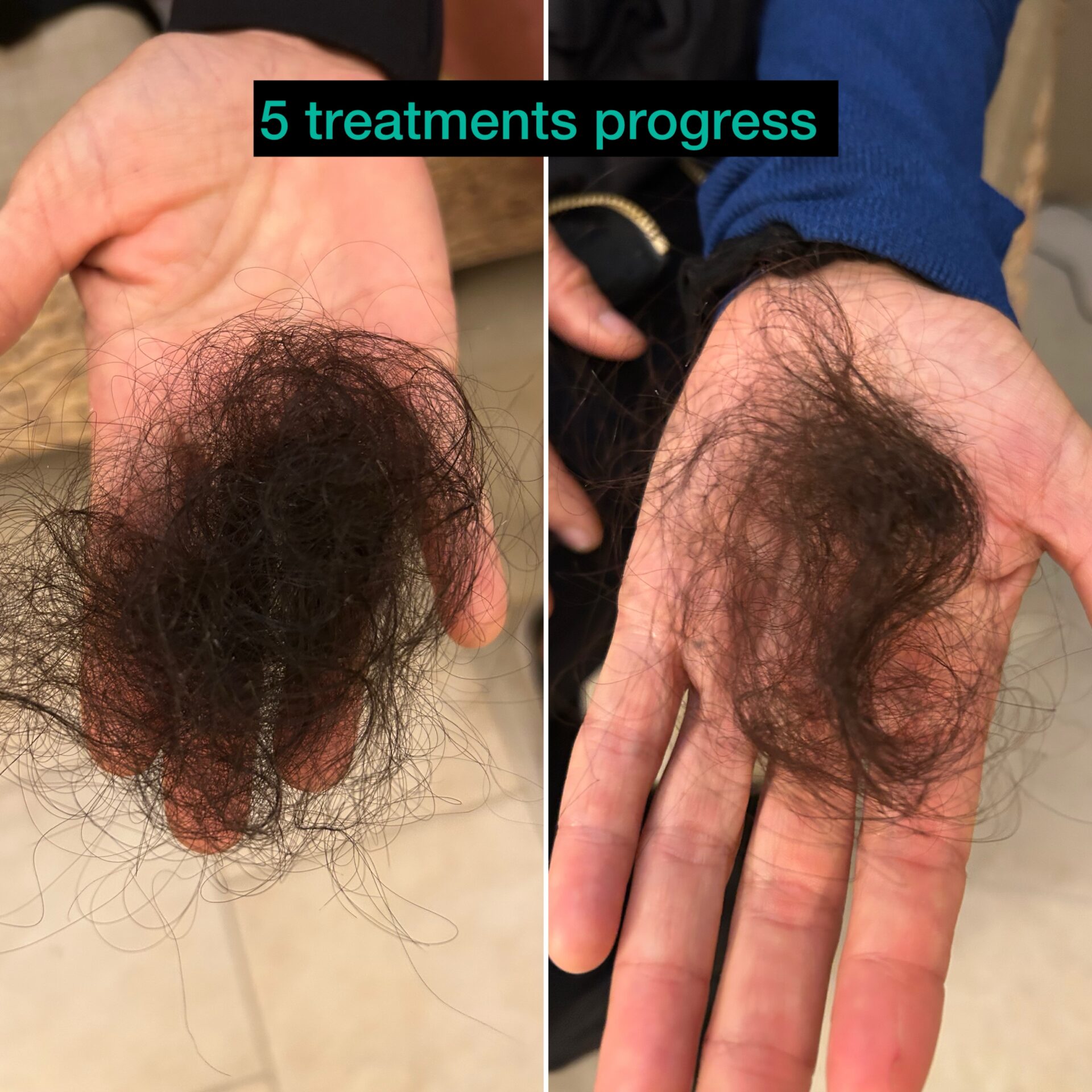
“Why is my hair falling out?” is one of the most common questions people search online when they notice increased hair shedding. Seeing hair in the shower, on the pillow, or in a brush can cause immediate concern. In many cases, sudden hair loss is not permanent but is associated with changes within the body that temporarily disrupt the hair growth cycle.
Hair follicles are highly sensitive structures. They respond quickly to metabolic stress, inflammation, illness, hormonal shifts, and nutritional imbalance. When the body experiences stress, hair follicles may enter the resting phase earlier than expected. This process leads to increased hair shedding, a condition commonly called telogen effluvium (Headington, 1993).
Understanding why hair is falling out requires looking beyond the hair itself. From a functional medicine and trichology perspective, hair loss often reflects deeper physiological changes that affect the entire body.
Understanding the Hair Growth Cycle
Hair follicles grow in repeating cycles consisting of three main phases.
Anagen phase – the active growth phase that lasts two to seven years.
Catagen phase – a short transitional stage lasting a few weeks.
Telogen phase – the resting phase where hair eventually sheds.
Normally, about 85–90% of scalp hairs are in the growth phase. Only about 10% are in the resting phase. When the body experiences stress or metabolic changes, a larger percentage of follicles may enter the telogen phase at the same time. When this occurs, people begin noticing excessive hair shedding.
This type of hair loss often appears suddenly and may continue for several months before the hair cycle stabilizes again (Malkud, 2015).
Common Causes of Sudden Hair Loss
When people search “why is my hair falling out,” the answer is rarely a single cause. Hair shedding often results from several overlapping factors.
Physiological Stress
Physical stress is one of the most common triggers of sudden hair loss. Illness, surgery, infections, and high fever can all shift hair follicles into the resting phase.
COVID-19 infection is a well-documented example. Many individuals experience noticeable hair shedding two to three months after recovering from illness.
Emotional Stress
Chronic emotional stress affects the body through elevated cortisol levels. High cortisol can disrupt hormonal balance and inflammatory pathways, which can influence hair follicle cycling.
Research shows that stress can alter immune and inflammatory responses in the scalp, contributing to shedding and delayed hair growth (Paus et al., 2006).
Nutritional Imbalance
Hair follicles are metabolically active and require adequate nutrients to function. Deficiencies or imbalances can interfere with the hair growth cycle.
Important nutrients for hair growth include:
protein
iron
zinc
vitamin D
B vitamins
Low ferritin levels in particular have been associated with diffuse hair shedding and poor regrowth (Trost et al., 2006).
From a functional medicine perspective, it is important to evaluate diet quality, digestion, and nutrient absorption rather than simply adding supplements.
Hormonal Changes
Hormonal shifts can also contribute to excessive hair shedding. This may occur after pregnancy, during menopause, or with thyroid imbalance.
Hormones influence the growth phase of the hair cycle. When hormone levels fluctuate, follicles may prematurely transition into the resting stage.
Rapid Weight Loss or Diet Changes
Many individuals notice hair shedding after starting a new diet or losing weight quickly. Calorie restriction can create metabolic stress and reduce the nutrients available for hair growth.
Because hair is not essential for survival, the body may temporarily redirect energy toward vital organs rather than hair production.
Why Hair Shedding Often Appears Months Later
One of the most confusing aspects of sudden hair loss is that it usually appears two to three months after the triggering event.
This delay occurs because follicles must first complete the shortened growth cycle before shedding occurs. As a result, the original cause may be overlooked.
For example, someone who experienced illness in January may notice increased hair shedding in March.
Understanding this timeline is important when evaluating hair loss.
A Functional Medicine Perspective on Hair Loss
When patients ask “why is my hair falling out,” the goal is not only to stop shedding but also to understand the internal environment affecting follicle health.
A holistic evaluation may include:
nutritional status
inflammatory markers
thyroid function
metabolic health
gut health
stress levels
Hair follicles reflect the overall health of the body. Supporting systemic balance can improve the conditions necessary for hair regrowth.
Supporting Hair Health During Shedding
Although telogen effluvium can be alarming, it is usually temporary. Hair follicles remain alive and capable of regrowth once internal balance is restored.
Key strategies include:
Optimize nutrition
Ensure adequate protein intake and maintain balanced levels of iron, zinc, vitamin D, and B vitamins.
Support metabolic health
Balanced blood sugar and adequate calorie intake help prevent metabolic stress that disrupts hair cycling.
Reduce inflammation
Whole foods, healthy fats, and antioxidant-rich vegetables can support systemic balance.
Stimulate the scalp
Scalp circulation is important for follicle activity. Treatments such as microneedling, laser therapy, and ozone therapy can support follicle stimulation during recovery.
Manage stress
Sleep, moderate exercise, and stress-reduction practices can help stabilize hormonal signals that affect hair growth.
Conclusion
When people search “why is my hair falling out,” the cause is often related to telogen effluvium, a temporary shift in the hair growth cycle triggered by internal stress. Illness, nutritional imbalance, hormonal changes, emotional stress, and rapid weight loss are all common contributors.
Hair follicles respond to the body’s internal environment. From a functional medicine and trichology perspective, identifying and correcting underlying imbalances is essential for restoring healthy hair growth.
With proper support, the hair cycle can stabilize and regrowth can occur.
References
Headington, J. T. (1993). Telogen effluvium: New concepts and review. Archives of Dermatology, 129(3), 356–363. https://doi.org/10.1001/archderm.1993.01680240094012
Malkud, S. (2015). Telogen effluvium: A review. Journal of Clinical and Diagnostic Research, 9(9), WE01–WE03. https://doi.org/10.7860/JCDR/2015/15219.6508
Paus, R., Arck, P., & Tiede, S. (2006). Stress and the hair follicle. Journal of Investigative Dermatology, 126(4), 821–832. https://doi.org/10.1038/sj.jid.5700009
Trost, L. B., Bergfeld, W. F., & Calogeras, E. (2006). The diagnosis and treatment of iron deficiency and its potential relationship to hair loss. Journal of the American Academy of Dermatology, 54(5), 824–844. https://doi.org/10.1016/j.jaad.2005.11.1104