
Quick Answer
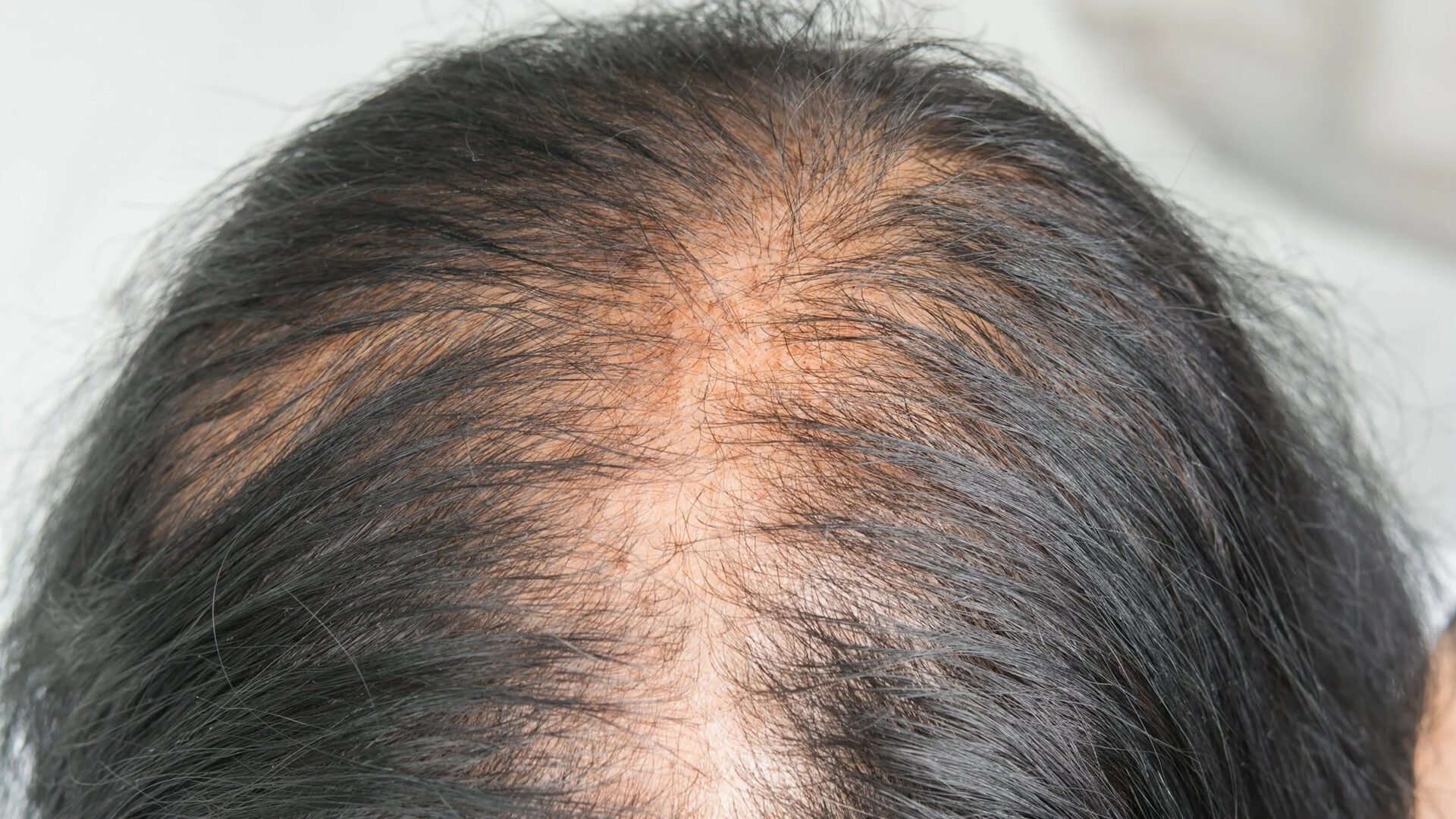
Spring hair shedding is common and is usually linked to a temporary shift in the hair cycle called Telogen Effluvium. During this time, more hair follicles enter the resting phase, leading to increased shedding. While this is often normal, prolonged shedding may indicate underlying stress, nutrient deficiencies, or metabolic imbalance.
What Causes Hair Shedding in Spring?
Hair shedding in spring is not random. It reflects a coordinated biological response involving light exposure, hormonal signaling, and internal physiological status.
1. Seasonal Shift in the Hair Cycle
Hair follicles continuously cycle through growth (anagen), regression (catagen), and rest (telogen).
In spring, a higher proportion of follicles transition into telogen simultaneously. This creates noticeable shedding, even when total follicle count remains unchanged.
2. Changes in Light Exposure and Melatonin
Longer daylight hours influence melatonin production.
Melatonin is not only a sleep hormone. It also plays a role in:
Regulating hair follicle cycling
Protecting against oxidative stress
Supporting anagen phase duration
As melatonin levels fluctuate, follicles may exit the growth phase earlier than expected.
3. Delayed Response to Winter Stress
Hair shedding typically occurs 8–12 weeks after a physiological trigger.
Spring shedding often reflects stressors from the winter months, including:
Reduced vitamin D synthesis
Nutritional changes
Increased inflammation
Higher physical or emotional stress
This delayed response is a defining feature of telogen effluvium.
4. Evolutionary Seasonal Patterns
Humans retain subtle seasonal hair cycling patterns similar to other mammals.
Studies have shown increased telogen rates in late winter and early spring, suggesting that seasonal shedding is a biologically programmed rhythm, not a disorder in itself.
Is Seasonal Hair Loss Normal?
In many cases, yes.
Normal Seasonal Shedding:
Lasts 6–8 weeks
Occurs diffusely across the scalp
Does not significantly reduce overall density
Resolves without intervention
When It Becomes a Concern:
Lasts longer than 8–12 weeks
Hair density visibly decreases
The part begins to widen
Shedding is accompanied by fatigue, hormonal symptoms, or digestive issues
In these cases, seasonal shedding may transition into chronic telogen effluvium or overlap with other forms of hair loss.
Why Seasonal Shedding Is Worse for Some People
Seasonal shedding is amplified when the internal environment is not optimal.
1. Nutrient Deficiencies
Hair follicles are highly sensitive to nutrient availability.
Common deficiencies include:
Iron (low ferritin)
Vitamin D
Zinc
Protein and amino acids
Even when lab results are considered “normal,” levels may still be suboptimal for hair growth.
2. Blood Sugar Imbalance
Hair follicles require a stable energy supply.
Insulin resistance reduces nutrient delivery
Blood sugar fluctuations increase oxidative stress
Mitochondrial function becomes impaired
This environment shortens the growth phase and increases shedding.
3. Liver Function and Detoxification
The liver regulates hormone metabolism and inflammatory load.
When liver function is compromised:
Estrogen and androgen balance is affected
Toxins accumulate
Inflammation increases
This disrupts the hair cycle and promotes premature shedding.
4. Chronic Inflammation
Inflammatory cytokines can directly affect follicle behavior by:
Triggering early transition into catagen
Disrupting follicular stem cell signaling
Impairing dermal papilla function
This creates a microenvironment that favors shedding over growth.
The Scalp Environment: A Missing Piece
Hair growth is not only internal. The scalp environment plays a critical role.
In many individuals, there is:
Buildup and residue accumulation
Microbial imbalance
A biofilm-like layer that limits absorption
This can:
Reduce oxygen and nutrient delivery
Maintain low-grade inflammation
Block the effectiveness of topical treatments
Optimizing the scalp environment is essential for restoring normal follicular function.
How Long Does Seasonal Hair Shedding Last?
Seasonal shedding typically lasts 6 to 8 weeks.
If the internal environment is stable, follicles gradually return to the growth phase, and shedding decreases naturally.
However, if underlying imbalances persist, shedding may continue beyond this timeframe.
How to Support Hair During Seasonal Shedding
1. Optimize Nutrient Intake
Focus on:
High-quality protein
Iron-rich foods
Mineral-dense vegetables
Healthy fats
2. Support Vitamin D and Iron Levels
Testing and optimizing these levels is critical, as standard lab ranges may not reflect optimal levels for hair growth.
3. Stabilize Blood Sugar
Structure meals to include:
Fiber first
Protein and fat
Carbohydrates last
This supports consistent energy delivery to the follicle.
4. Improve Scalp Health
Maintain proper scalp pH
Remove buildup and biofilm
Support circulation and oxygenation
5. Reduce Systemic Stress
Sleep, emotional stress, and inflammation all influence the hair cycle. Addressing these factors helps restore normal growth patterns.
Final Perspective
Seasonal hair shedding in spring is often a normal physiological response. However, its severity and duration are influenced by internal health, nutrient status, and scalp condition.
Hair shedding is not simply a cosmetic issue. It is a reflection of systemic balance. When understood correctly, it provides valuable insight into the body’s overall function and offers an opportunity for early intervention.
Frequently Asked Questions
Why is my hair falling out more in spring?
Because more hair follicles shift into the resting phase due to seasonal changes in light exposure and internal signaling.
Is seasonal hair loss permanent?
No. In most cases, it is temporary and resolves within a few weeks.
How do I stop seasonal hair shedding?
Support internal health, correct nutrient deficiencies, stabilize blood sugar, and optimize scalp conditions.
References
Headington, J. T. (1993). Telogen effluvium: New concepts and review. Archives of Dermatology, 129(3), 356–363.
Paus, R., & Cotsarelis, G. (1999). The biology of hair follicles. New England Journal of Medicine, 341(7), 491–497.
Slominski, A., Tobin, D. J., Shibahara, S., & Wortsman, J. (2004). Melatonin and the skin: Synthesis, metabolism, and functions. Endocrine Reviews, 25(5), 639–662.
Trueb, R. M. (2015). Diffuse hair loss. International Journal of Dermatology, 54(6), 659–665.