
Quick Answer
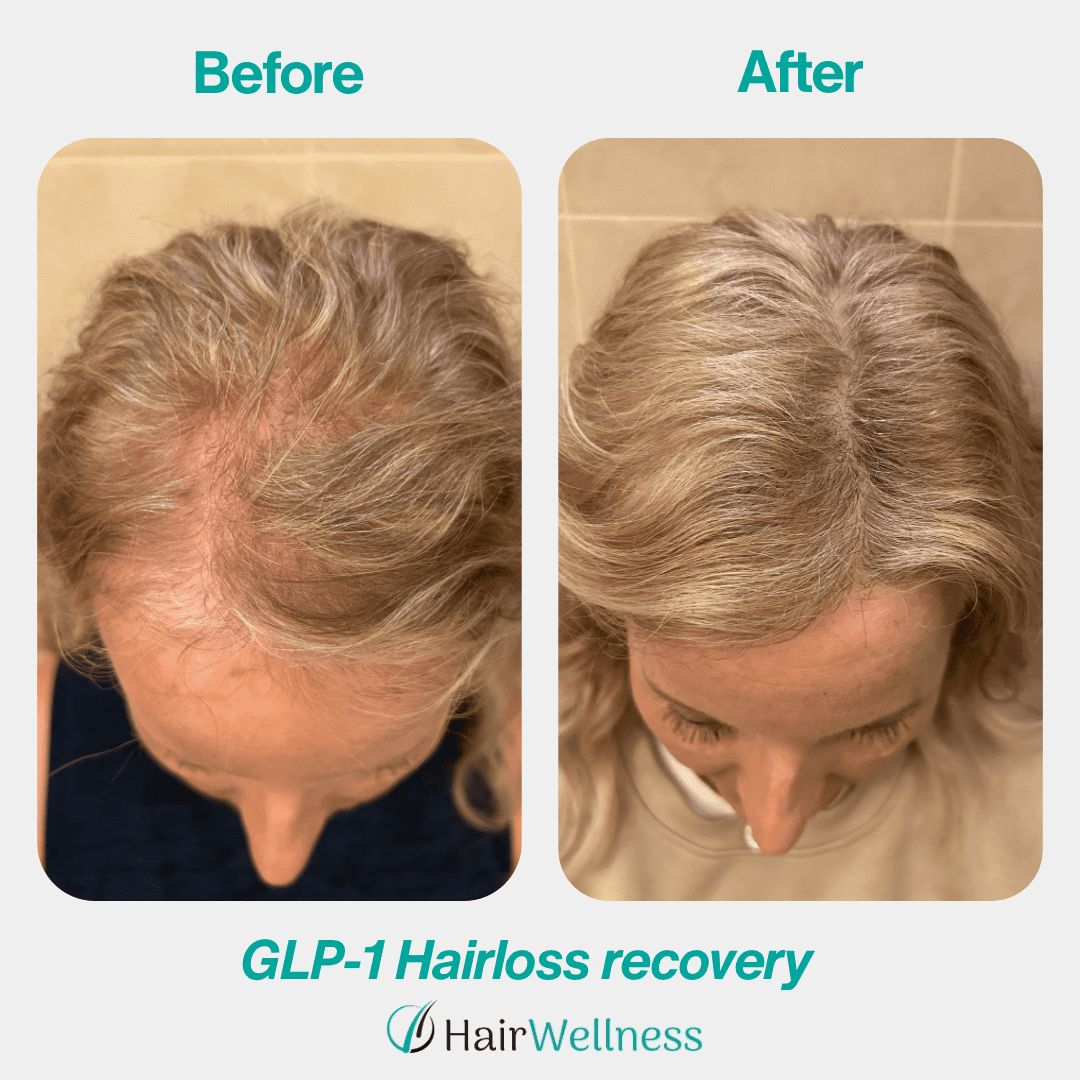
Hair loss associated with Ozempic is not typically caused by the medication itself. Instead, it is most often the result of rapid weight loss, metabolic stress, and nutrient depletion, which can trigger a temporary condition called Telogen Effluvium.
Why Are People Experiencing Hair Loss on Ozempic?
Medications like Ozempic (a GLP-1 receptor agonist) are widely used for blood sugar control and weight loss. While effective, they create significant physiological changes in the body.
Hair follicles are highly sensitive to these changes.
The Real Mechanism Behind Ozempic Hair Loss
1. Rapid Weight Loss as a Physiological Stressor
Hair follicles require a stable internal environment to remain in the growth phase.
Rapid weight loss:
Signals a stress response in the body
Shifts energy away from non-essential functions like hair growth
Triggers early transition of follicles into the telogen phase
This is a classic pathway leading to telogen effluvium.
2. Protein and Amino Acid Deficiency
Many individuals on GLP-1 medications experience reduced appetite and caloric intake.
This often leads to:
Inadequate protein consumption
Reduced availability of essential amino acids
Impaired keratin production
Hair is primarily composed of keratin, and without sufficient amino acids, the follicle cannot sustain active growth.
3. Micronutrient Depletion
Rapid weight loss and reduced intake can deplete key nutrients required for hair growth, including:
Iron (ferritin)
Zinc
Vitamin D
B vitamins
Even mild deficiencies can disrupt the hair cycle and increase shedding.
4. Blood Sugar and Metabolic Shifts
While GLP-1 medications improve glycemic control, they also alter:
Insulin signaling
Energy metabolism
Cellular nutrient utilization
Hair follicles depend on consistent energy supply. Sudden metabolic shifts can temporarily impair follicular activity.
5. Hormonal and Stress Response
Weight loss and caloric restriction can influence:
Cortisol levels
Thyroid function
Sex hormone balance
These changes can further contribute to premature follicle transition into the resting phase.
What Type of Hair Loss Does Ozempic Cause?
The most common presentation is diffuse shedding across the scalp, consistent with telogen effluvium.
Characteristics include:
Increased hair in the shower or brush
Shedding from all areas of the scalp
No defined patches
Temporary thinning rather than permanent loss
This is different from patterned hair loss, where follicles progressively miniaturize.
Is Ozempic Hair Loss Permanent?
In most cases, no.
Telogen effluvium is a reversible condition once the underlying trigger is addressed. Hair follicles remain alive and capable of regrowth.
However, prolonged metabolic stress or nutrient depletion can:
Extend the shedding phase
Delay regrowth
Unmask underlying conditions such as androgenic alopecia
Who Is More Likely to Experience Hair Loss on Ozempic?
Hair shedding is more likely when:
Weight loss is rapid
Protein intake is low
Iron or vitamin levels are suboptimal
There is pre-existing hormonal imbalance
The individual is already under stress or inflammation
This explains why some individuals experience hair loss while others do not.
The Functional Medicine Perspective
Hair loss in this context is not simply a side effect. It is a signal of internal imbalance.
Key areas to evaluate include:
Nutritional Status
Assess iron, vitamin D, zinc, and protein intake.
Metabolic Stability
Ensure blood sugar remains stable and energy intake is sufficient.
Liver Function
Support detoxification pathways, especially during rapid fat loss, which can release stored toxins into circulation.
Inflammatory Load
Address underlying inflammation that may impair follicular function.
The Role of the Scalp Environment
Even when internal factors are corrected, the scalp must be optimized for regrowth.
Common findings include:
Buildup and residue accumulation
Microbial imbalance
Reduced oxygenation
This environment can:
Limit nutrient delivery
Maintain inflammation
Slow visible regrowth
A combined internal and external approach is essential.
How to Prevent or Reduce Hair Loss While on Ozempic
1. Maintain Adequate Protein Intake
Ensure sufficient daily protein to support keratin production and cellular repair.
2. Monitor and Optimize Nutrients
Regularly assess:
Iron levels (ferritin)
Vitamin D
Zinc
B vitamins
3. Avoid Excessive Caloric Restriction
Gradual, controlled weight loss is less likely to trigger hair shedding.
4. Support Metabolic and Liver Function
Focus on nutrient-dense foods and hydration to support detoxification and energy balance.
5. Optimize the Scalp Environment
Maintain proper scalp pH
Remove buildup
Support circulation and oxygen delivery
Final Perspective
Hair loss associated with Ozempic is not a direct toxic effect of the medication. It is a physiological response to rapid internal change.
When the body experiences sudden shifts in weight, nutrition, and metabolism, hair growth becomes a secondary priority.
With proper support, this type of shedding is typically temporary and reversible. However, it should not be ignored, as it provides insight into deeper metabolic and nutritional needs.
Frequently Asked Questions
Does Ozempic directly cause hair loss?
No. Hair loss is usually due to rapid weight loss and nutrient deficiencies rather than the medication itself.
How long does hair loss last on Ozempic?
Typically 2–3 months, depending on how quickly the body stabilizes.
Will hair grow back after stopping Ozempic?
Yes, in most cases, once the internal environment is balanced and the hair cycle resets.
References
Almohanna, H. M., et al. (2019). The role of vitamins and minerals in hair loss: A review. Dermatology and Therapy, 9(1), 51–70.
Headington, J. T. (1993). Telogen effluvium: New concepts and review. Archives of Dermatology, 129(3), 356–363.
Malkud, S. (2015). Telogen effluvium: A review. Journal of Clinical and Diagnostic Research, 9(9), WE01–WE03.
Wilding, J. P. H., et al. (2021). Once-weekly semaglutide in adults with overweight or obesity. New England Journal of Medicine, 384(11), 989–1002.